the code of the fisherman
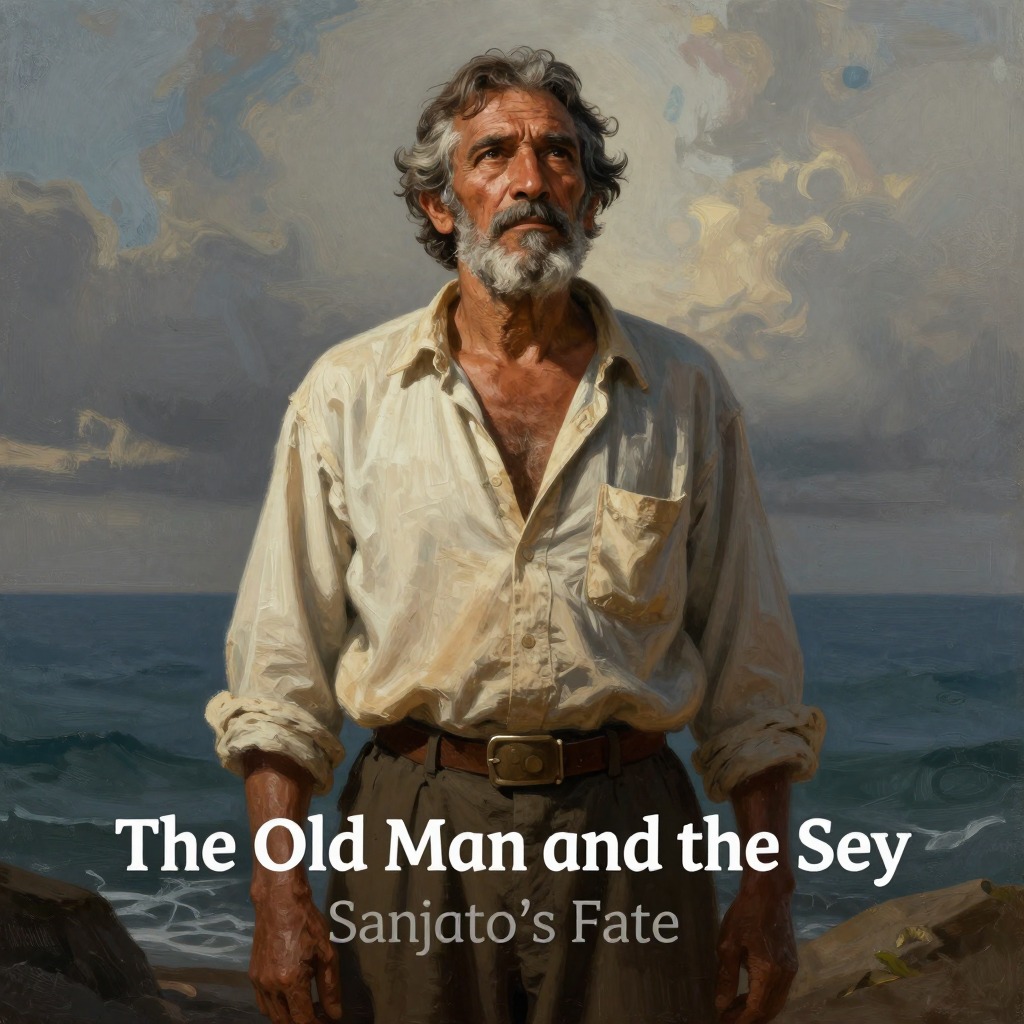
The code of the fisherman is the unspoken, deeply ingrained set of principles that governs Santiago's entire existence as a man of the sea. It is not a written law but a lived ethic, passed down through generations, that dictates how he works, how he treats his catch, and how he relates to his fellow fishermen. This code is the framework within which Santiago's heroism, his suffering, and his ultimate defeat are measured, making it the central moral and practical system of the novella.
Silence, Precision, and Endurance at Sea
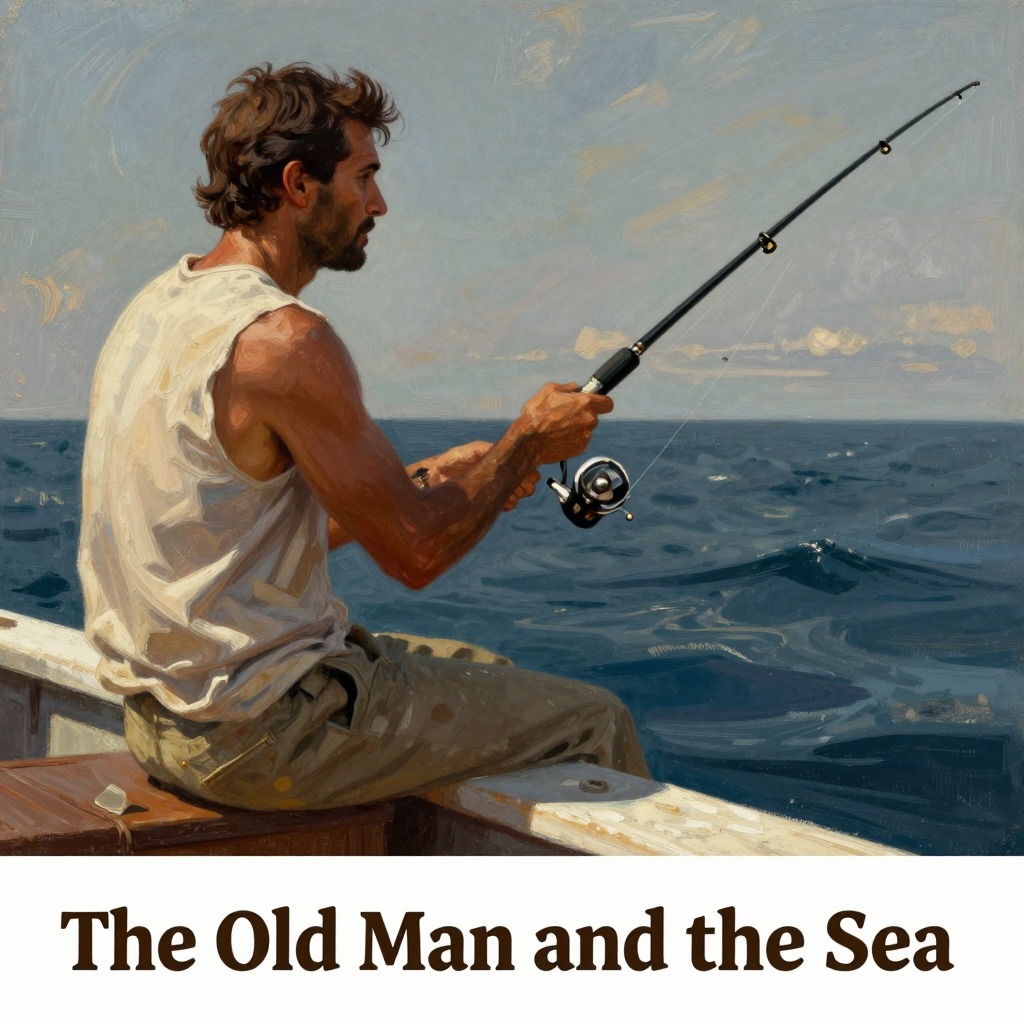
A cardinal rule of the code is the virtue of silence and minimal speech while fishing. Santiago had always considered it a virtue not to talk unnecessarily at sea, and he respected this practice even when fishing alone with the boy, Manolin, when they usually spoke only when necessary. It was only after the boy left that Santiago began to talk aloud to himself, a habit he recognized might seem crazy to others but which he accepted because he was alone. This silence is paired with an obsessive commitment to precision. Santiago keeps his lines straighter than anyone else, ensuring that at each level in the darkness of the stream there is a bait waiting exactly where he wishes it to be. He reflects that he would rather be exact than lucky, believing that when luck comes, one must be ready. This exactness is a form of respect for the craft and for the fish itself. The code also demands immense physical and mental endurance. Santiago endures the eighty-four days without a fish, the relentless pull of the marlin, the pain of his cramped hand and cut flesh, and the final, hopeless battle with the sharks, all without complaint. He tells himself, "pain does not matter to a man," and he takes his suffering as it comes, a stoic acceptance that is central to his identity as a fisherman.
The Ethics of Killing: Respect and Brotherhood
A profound and paradoxical element of the code is the relationship between the fisherman and his prey. Santiago does not see the marlin as a mere commodity but as a noble adversary, a brother. He declares, "I love you and respect you very much. But I will kill you dead before this day ends." This killing is not an act of cruelty but a necessary part of his calling, performed with a sense of ritual and dignity. He believes he was born to be a fisherman, just as the fish was born to be a fish, and that killing the fish for pride and because he is a fisherman is not a sin if he loves it. This ethic extends to the method of killing. Santiago reflects that the only way to kill the marlin was the way he did it—with the harpoon, in a final, direct confrontation. He also feels a deep sorrow for the fish, thinking, "You are killing me, fish... But you have a right to. Never have I seen a greater, or more beautiful, or a calmer or more noble thing than you, brother." This brotherhood, however, does not extend to all creatures. The Portuguese man-of-war, or "agua mala," he curses as a whore, recognizing its false beauty. The sharks, particularly the scavenging galanos, are enemies to be fought with "complete malignancy." The code thus draws a clear line between the noble adversary worthy of respect and the destructive force that must be destroyed without mercy.
Community, Gratitude, and Mutual Obligation
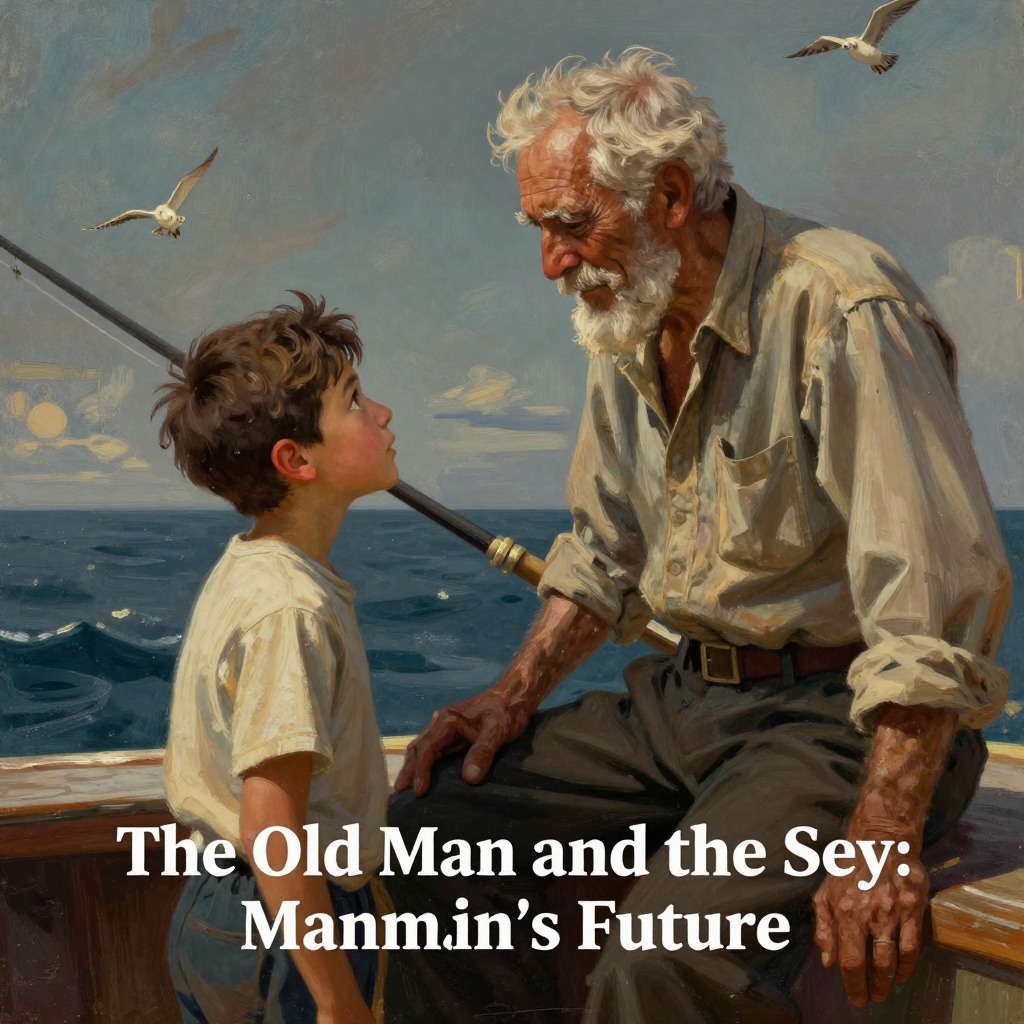
The code of the fisherman also governs social relations within the fishing community of Havana. It is a system of mutual aid and unspoken debts. The older fishermen look at Santiago with sadness but speak politely, while the younger ones make fun of him, and he is not angry. This tolerance is part of the code. More importantly, there is a strict economy of gratitude. When Martin, the owner of the Terrace, sends supper and beer to Santiago, the old man immediately plans to repay him with the belly meat of a big fish, and then decides he must give something more because Martin has been so thoughtful. The boy, Manolin, is the living embodiment of this code's transmission. Santiago taught him to fish, and the boy loves him for it. The boy's service—carrying gear, getting sardines, bringing food—is a form of apprenticeship and filial duty. Even the fishermen who butcher the marlin and carry it to the fish house, and those who later measure the skeleton, are part of this communal, ritualistic process. The code even dictates the proper disposal of the catch: the head of the great marlin is given to Pedrico to use in fish traps, a practical and respectful end for the remains. This network of obligation and respect defines Santiago's place in the world, a world where a man's worth is measured by his adherence to this unspoken code.
The Code's Ultimate Test and Its Limits
The code of the fisherman is put to its severest test during Santiago's epic battle. He follows its dictates perfectly: he endures, he respects his brother the fish, he kills it cleanly, and he prepares to bring it home. Yet the code offers no protection against the sharks. The sharks are not part of the fisherman's moral universe; they are a force of nature that follows the scent of blood. Santiago's adherence to the code—his decision to go "too far out" to find the great fish—is what makes him vulnerable. After the sharks have destroyed the marlin, Santiago acknowledges his violation of the code's practical wisdom: "You violated your luck when you went too far outside." The code, then, is not a guarantee of success but a framework for living with dignity within a system that is ultimately indifferent. The final, skeletal remains of the marlin, mistaken by a tourist for a shark, become a symbol of the code's private meaning. The fisherman who measures the skeleton knows its true worth, but the outside world sees only garbage. Santiago's final statement, "They beat me, Manolin... They truly beat me," is not a rejection of the code but an acknowledgment that even its perfect execution cannot prevent destruction. The code provides the terms for defeat, not the means to avoid it, and in that, it offers a form of tragic victory.